FOR INSTALLERS, DISTRIBUTORS & PROPERTY PROJECTS

Residential EV Charging Solutions

AC charging equipment for single-home installations and apartment parking projects. Work with EV-TOP to match the charger configuration to your site, users and electrical supply.

Equipment supply, product customization and technical coordination for residential charging projects.

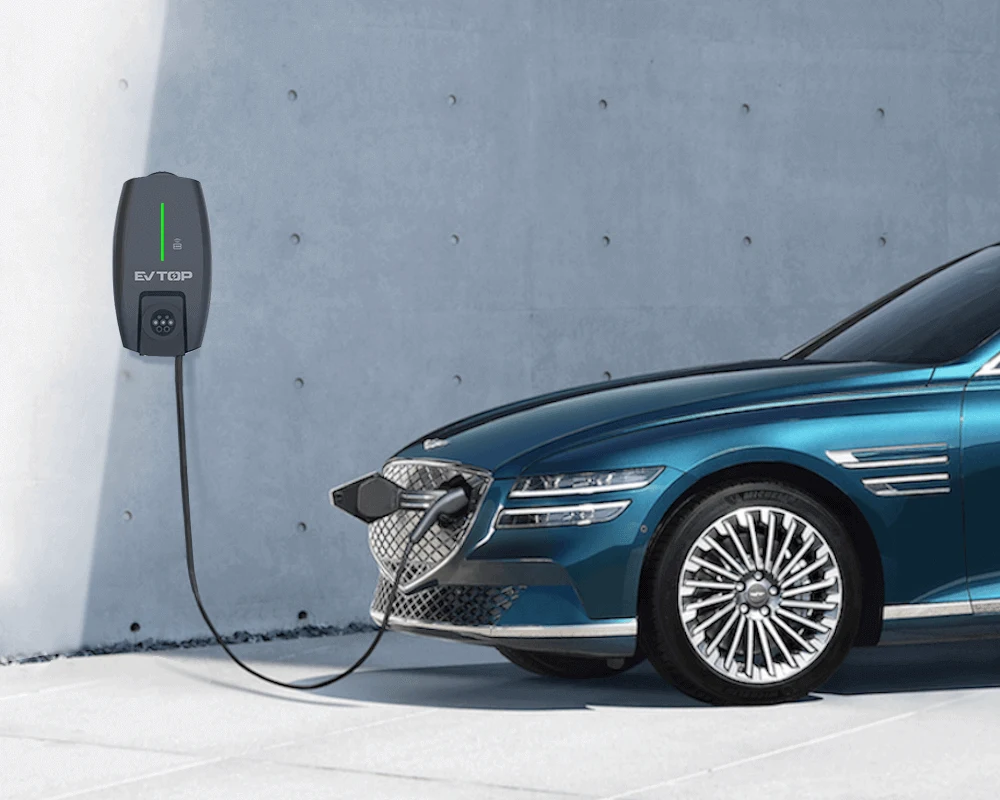
EV-TOP wall-mounted charger connected to a blue electric vehicle beside a concrete wall
Residential charging setting shown for illustration.

Start with the residential setting

A private driveway and a shared apartment car park need different charging arrangements. Start with who uses the spaces, who pays for electricity and how many chargers the site may need later.

Single-home installations

For installers and distributors supplying chargers for individual homes. Match the wallbox to the vehicle’s AC charging capability, the available electrical supply and the preferred way to start a session.

  • Supply phase and available capacity
  • Cable reach and parking position
  • Access and scheduling requirements
  • Any solar or home energy system to assess
Discuss a Home Charging Rollout

Apartment and shared parking

For property projects with assigned spaces or shared resident parking. Define the electrical connection, user access, energy records and future expansion before selecting the charging equipment.

  • Assigned spaces or shared use
  • Individual or shared electricity supply
  • Resident access and cost allocation
  • Initial chargers and future parking spaces
Discuss an Apartment Project

For a new building or a retrofit, involve the local electrical designer early so the installation plan can accommodate future demand.

Compare AC wallbox options

Review the A18 and A23 families for your residential project. Select the regional version, electrical configuration and access options before ordering.

A18

Electri Charge A18

A compact wallbox family for projects where enclosure size and the required charging controls are key selection points.

Type 2 power options
7 / 11 / 22 kW
Enclosure rating
IP65
Configuration review
Power, access and installation requirements
Request A18 Details
A23

Electri Charge A23

An AC wallbox family with an LCD display. Discuss the access and connectivity configuration needed for your installation.

Type 2 power options
7 / 11 / 22 kW
Enclosure rating
IP55
Display
LCD
Configuration review
Power, display, access and connectivity requirements
Request A23 Details

Power ratings refer to different configurations. Actual charging power depends on the vehicle, the electrical supply and the site’s operating limits. Access and connected functions must be matched to the selected version.

Explore AC EV Chargers

Plan power, access and energy management

The wallbox is one part of the installation. Review the complete arrangement, including meters, controllers, communications and any software service.

Available power and load control

Define the capacity available for charging and whether control is needed for one charger or across several units. Confirm the meter or CT arrangement, controller, communications and operating limits for the selected configuration.

Check: supply capacity, charger count and control topology.

Resident access and energy records

Decide who may charge and how sessions will be identified. If residents are charged for electricity, review the metering and settlement requirements with the local project team and platform provider.

Check: user identification, metering and billing responsibility.

Solar and home energy integration

Share the inverter or energy management system details if solar charging is required. The control method, metering equipment and supported charging modes need to be assessed together.

Check: inverter or EMS model, interface and required charging mode.

Apps and charging platforms

Specify the app or backend you want to use. Compatibility depends on the charger version, firmware and platform. Any custom app or platform work needs a separate scope and delivery plan.

Check: app region, backend, firmware and connection testing.

Illustrative system relationships. The project topology and equipment must be confirmed.

RFID access, dynamic load management, solar surplus charging and resident billing are separate requirements. Confirm each one in the project specification.

Review My Configuration

Define the supply and installation scope

Agree on equipment, interfaces and responsibilities before placing the order.

EV-TOP equipment supply

Charger configuration, agreed product customization, product documentation, spare parts arrangements and remote technical support.

Your local installation team

Site assessment, electrical design, permits, network coordination, installation and on-site acceptance.

Your platform or service provider

User accounts, software operation, billing services and ongoing service commitments where a third-party platform is used.

  1. Share the project

    Tell us the country, residential setting, planned quantity and required functions.

  2. Confirm the configuration

    Review the model, electrical specification, interfaces, documentation and any sample test requirements.

  3. Agree on the order

    Confirm the quotation, responsibilities and delivery conditions before production is scheduled.

Standard bulk orders start at 100 units. Paid samples and qualifying project exceptions are reviewed individually. OEM and private-label requirements are assessed against the selected product and order scope.

Discuss Supply or OEM Requirements

Residential charging questions

Do you sell to individual homeowners?

EV-TOP focuses on equipment supply for installers, distributors and defined property projects. Homeowners should work with a qualified local installer for site assessment and installation. Bulk residential deployments and property projects can be discussed with our team.

Should I choose 7, 11 or 22 kW?

Start with the site’s supply, the vehicle’s AC charging capability and the energy needed during the available parking time. A higher wallbox rating does not guarantee that every vehicle will charge faster. Your installer should confirm the suitable electrical configuration and any network requirements.

Can multiple chargers share a building’s available power?

This needs a coordinated design. Confirm how capacity is measured, which controller manages the chargers, how each unit receives its limit and what happens if communications are lost. Individual charger limits alone do not establish building-wide load management.

Can apartment residents be billed separately?

Define how users are identified, how energy is measured and who handles settlement. Charger access control and billing are separate functions. For Germany, the local project team must check the applicable metering requirements and the complete billing arrangement before deployment.

Can the chargers use surplus solar energy?

Solar surplus charging must be assessed for the selected charger, metering equipment and inverter or energy management system. Send the equipment models and required charging mode so the compatibility and control approach can be reviewed.

Which app or charging backend is supported?

The available app and backend connection depend on the charger model, configuration, firmware and target market. Tell us the app or platform you intend to use and request the corresponding product information. A protocol label alone does not establish compatibility with every platform.

What should a residential project in Germany check?

Ask the local electrical designer and network operator to confirm the connection and control requirements for the project, including applicable Section 14a EnWG requirements. Apartment projects should also review building infrastructure, access and metering arrangements. Product documents must match the selected model and configuration.

What documentation and warranty support are available?

Standard orders include the necessary product, installation and technical documentation for the agreed configuration. The standard warranty is 24 months from shipment or the bill-of-lading date. Warranty spare parts follow remote diagnosis of a confirmed product quality issue; local labour, removal, reinstallation and logistics are handled under the contract. Request the relevant documents and support terms with your enquiry.


Tell us about your residential project

Start with the country, single-home or apartment setting, planned charger quantity and any essential control or billing requirements. We can use these details to review the equipment scope with you.

  • Country
  • Residential setting
  • Planned quantity
  • Key functions
Discuss Your ProjectRequest Product Documents

For an initial enquiry, a short project summary is enough. Detailed specifications can follow during the technical review.