EV-TOP / Technology

EV Charging Technology for Commercial Projects

EV-TOP supplies EV chargers for commercial projects. Explore how charger communication, site power control, vehicle communication and connectors affect system design. Share your vehicle, platform and site requirements with our team so we can review a suitable configuration.

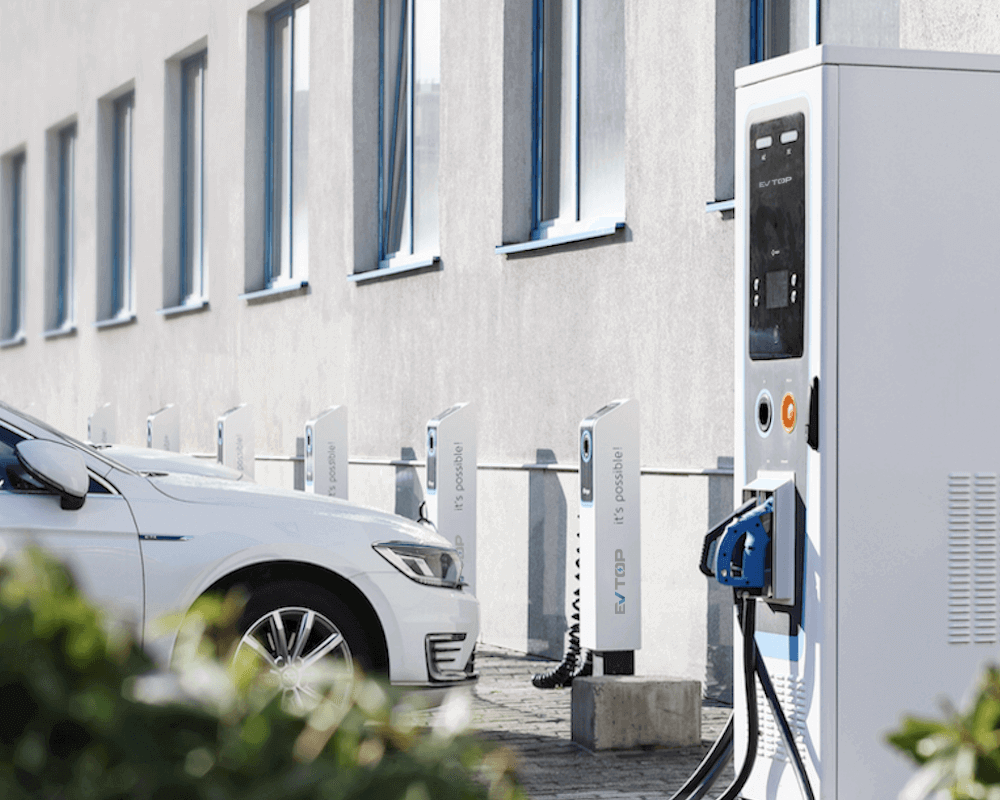
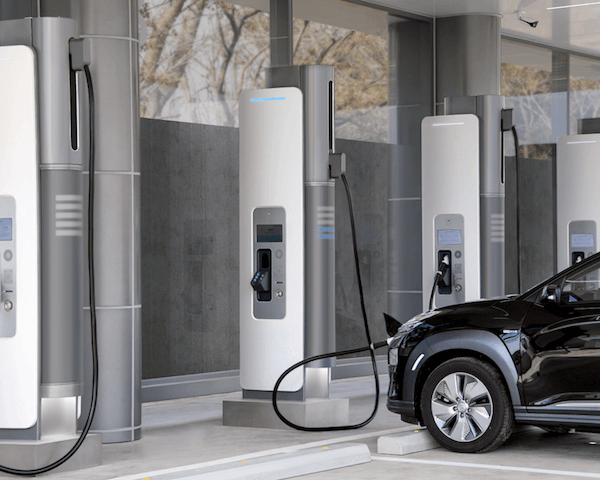
EV chargers and an electric vehicle at a commercial parking site

DATAPlatform ↔ chargerOCPP and management
POWERSite ↔ chargerMetering and load control
VEHICLEVehicle ↔ chargerISO 15118 and use case
INTERFACEPhysical fitConnector and market

Conceptual relationships only. Connections and available features vary by project and equipment.

01 / Technology directory

Software and Communication

Start with the system you already use. Charger-to-platform communication and on-site device connections need different checks.

Charging Management System

A charging management system can monitor and manage connected chargers. EV-TOP can work with third-party systems for agreed equipment integration. A dedicated platform or white-label app needs a separate scope and quote. Tell us which system and functions your project requires.

Discuss platform requirements

OCPP

OCPP carries messages between a charger and a charging management system. EV-TOP’s current committed version is OCPP 1.6J. Model, firmware, supported functions and the target platform still need to be checked together.

Read the OCPP guide

Modbus

A project may need to exchange data with on-site meters, controllers or an energy management system. Send the device models, connection type and data points you need. We will check the interface available on the proposed charger.

Discuss Modbus integration

Model, firmware and platform compatibility are confirmed for the proposed configuration.

02 / Energy and vehicle

Smart Energy

Site capacity, vehicle communication and bidirectional operation affect different parts of a charging project. Confirm each against the equipment and the site.

Dynamic Load Management

Load management adjusts charging demand within a site’s available capacity. EV-TOP supports load-balancing requirements for commercial charging projects. The meter, controller, charger models and response to a lost connection must be checked for each design.

Explore load management

ISO 15118 / Plug & Charge

ISO 15118 describes communication between a vehicle and a charger. Plug & Charge also depends on the vehicle, backend and certificate system. Tell us which vehicles and authentication method your project needs so the proposed equipment can be assessed.

Discuss vehicle communication

V2G / V2H

V2G sends energy back to the grid; V2H supplies a home or building. EV-TOP offers V2G project options subject to technical review. Vehicle, charger, electrical system and local approval conditions determine the feasible use case.

Discuss a bidirectional project

03 / Physical fit

Charging Interfaces

The connector must match the vehicle, charging method and destination market. Availability is checked against the selected charger configuration.

EV Charging Connectors

Common interface families to check include Type 1 (J1772), Type 2, CCS1, CCS2, CHAdeMO, GB/T and J3400 (NACS). This reference list explains the choices; it does not mean every connector is available on every EV-TOP charger. Send the vehicle list and destination country for a product-specific recommendation.

Compare connector types

REFERENCE INTERFACE FAMILIES

Type 1 (J1772)Type 2CCS1CCS2CHAdeMOGB/TJ3400 (NACS)
Interface availability is checked for the proposed model and destination market.

04 / Project review

What We Confirm for Your Project

A protocol name alone does not confirm a working installation. We review the proposed charger, firmware and project conditions together before confirming a configuration.

01 / SOFTWARE

Backend and software

Tell us the charging management platform, required OCPP functions and any OEM or white-label software needs. We can check equipment integration; the platform provider remains responsible for its accounts, operations and service levels unless separately agreed.

02 / SITE

Site power and controls

Share the available supply, charger count, meter or controller models, and any load-management goal. Site electrical design and local installation remain with the appointed local party.

03 / VEHICLES

Vehicles and charging use

Share the vehicle types, connector requirements, parking times and any bidirectional goal. Compatibility and V2G/V2H feasibility are reviewed for the proposed combination.

04 / MARKET

Destination market and documents

Give the destination country and the required technical or certification documents. Availability depends on the product model and market.

Send Your Technical Requirements

A short project summary is enough to start. Detailed documents can follow after the first review.

06 / Questions

Frequently Asked Questions

These answers explain what can be checked now and what needs a project review.

Can EV-TOP chargers connect to our existing management platform?

EV-TOP can work with third-party charging management systems for agreed equipment integration. Tell us the platform, charger model and functions you need. We check that combination before confirming the project specification; the platform provider remains responsible for its own operation and service levels unless separately agreed. Read the OCPP guide.

Which OCPP version should we specify?

EV-TOP’s current committed version is OCPP 1.6J. The version, firmware and features for a proposed charger must be checked against your chosen platform. If your project requires a newer version, include that requirement for a separate technical review.

Does OCPP support mean the product is OCA certified?

No. Protocol support describes an implementation; OCA certification is a separate assessment for a named product, version and scope. Ask for product-specific evidence when certification is required.

How do we assess load management for a site with limited power?

Share the site supply limit, existing loads, charger count and charging schedule. The meter, controller, charger combination and fallback behavior need to be reviewed. Load management works within the electrical design; it does not replace that design. Explore load management.

Does ISO 15118 mean Plug & Charge will work with every vehicle?

No. Plug & Charge depends on the vehicle, charger, backend and certificate system. Give us the vehicle and authentication requirements so the proposed equipment can be checked.

Can an EV-TOP bidirectional charger provide V2G or V2H for our project?

EV-TOP offers V2G project options subject to technical assessment. V2G and V2H have different grid or building requirements. We need the vehicle, electrical system, destination market and intended use before confirming feasibility.

Which charging connector is available for our vehicles?

The correct interface depends on the vehicle, AC or DC charging, destination market and charger model. Share the vehicle list and target country so we can check available configurations. Compare connector types.


Start a conversation

Discuss Your Charging Project

Start with your destination country, vehicle types, expected charger quantity, available site power and the management platform you plan to use. A short summary is enough for first contact; detailed documents can follow when the scope is clear.

Electric vehicle beside DC charging equipment at a commercial site