 Residential
 Workplace
 Commercial
 Retail & Hospitality
 EV Chargers
 EV Adapter
 EV Accessories
 Home Charging
 Business charging
 Fast charging
Power Hub
Houses the centralized power conversion equipment. Confirm cabinet rating, supported modules and distribution arrangement for the selected model.

Power Hub / Split-system architecture
Centralized power conversion with separate charging terminals. Plan a Power Hub system around your site capacity, charging bays and expansion needs.
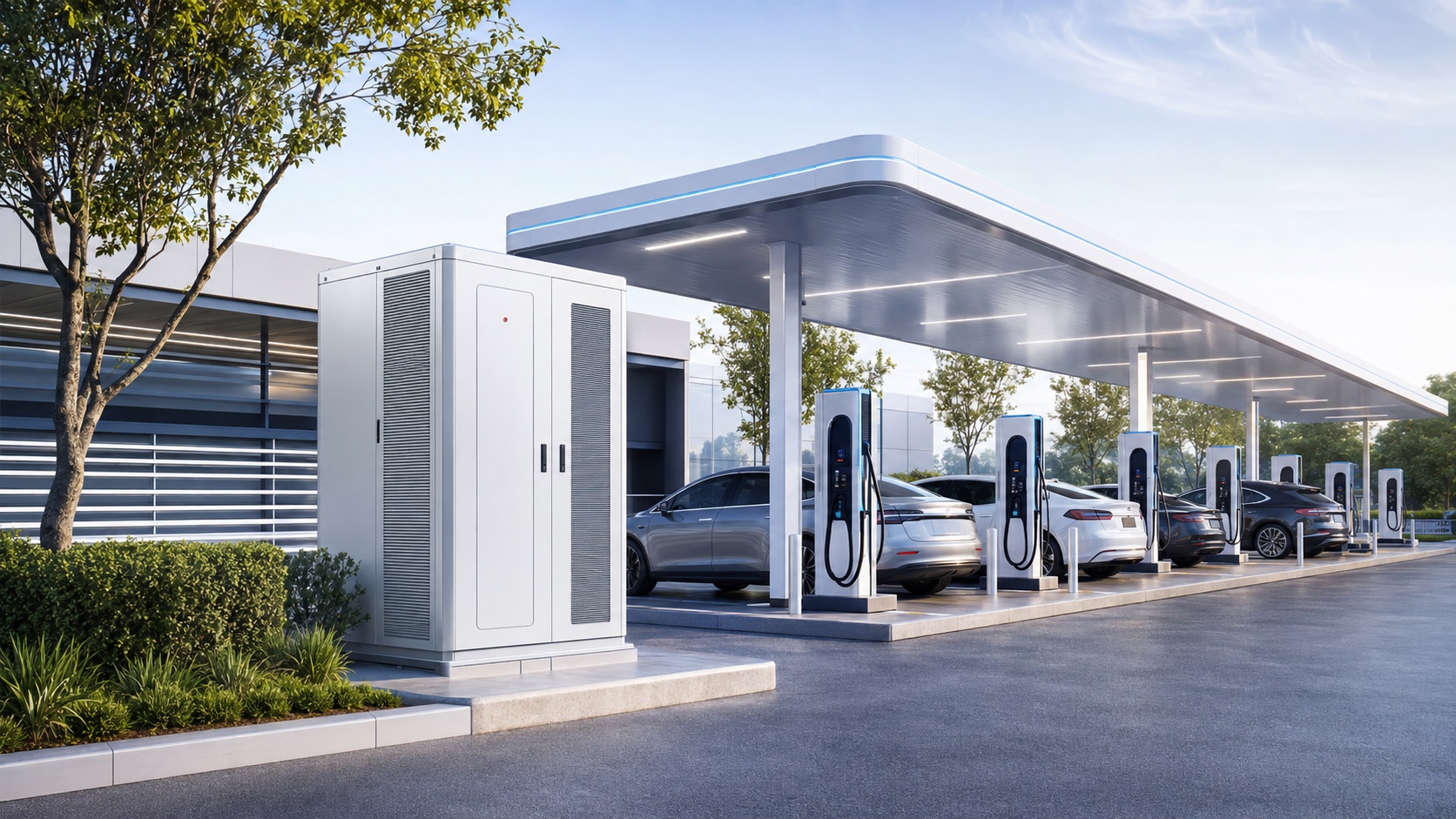
01 / System architecture
Review the hub, terminal layout and output allocation together. Each defines a different part of the charging system.
Power Hub / System architecture
Houses the centralized power conversion equipment. Confirm cabinet rating, supported modules and distribution arrangement for the selected model.
Provide the connection to vehicles at the parking bays. Confirm terminal compatibility, connectors, cable reach and mounting requirements.
Review power allocation across active terminals. Total hub power, connected terminal count and simultaneous output are separate specifications.
02 / Power Hub range
Match the power cabinet and charging dispensers to your site. Request model-specific output and compatibility details before selection.
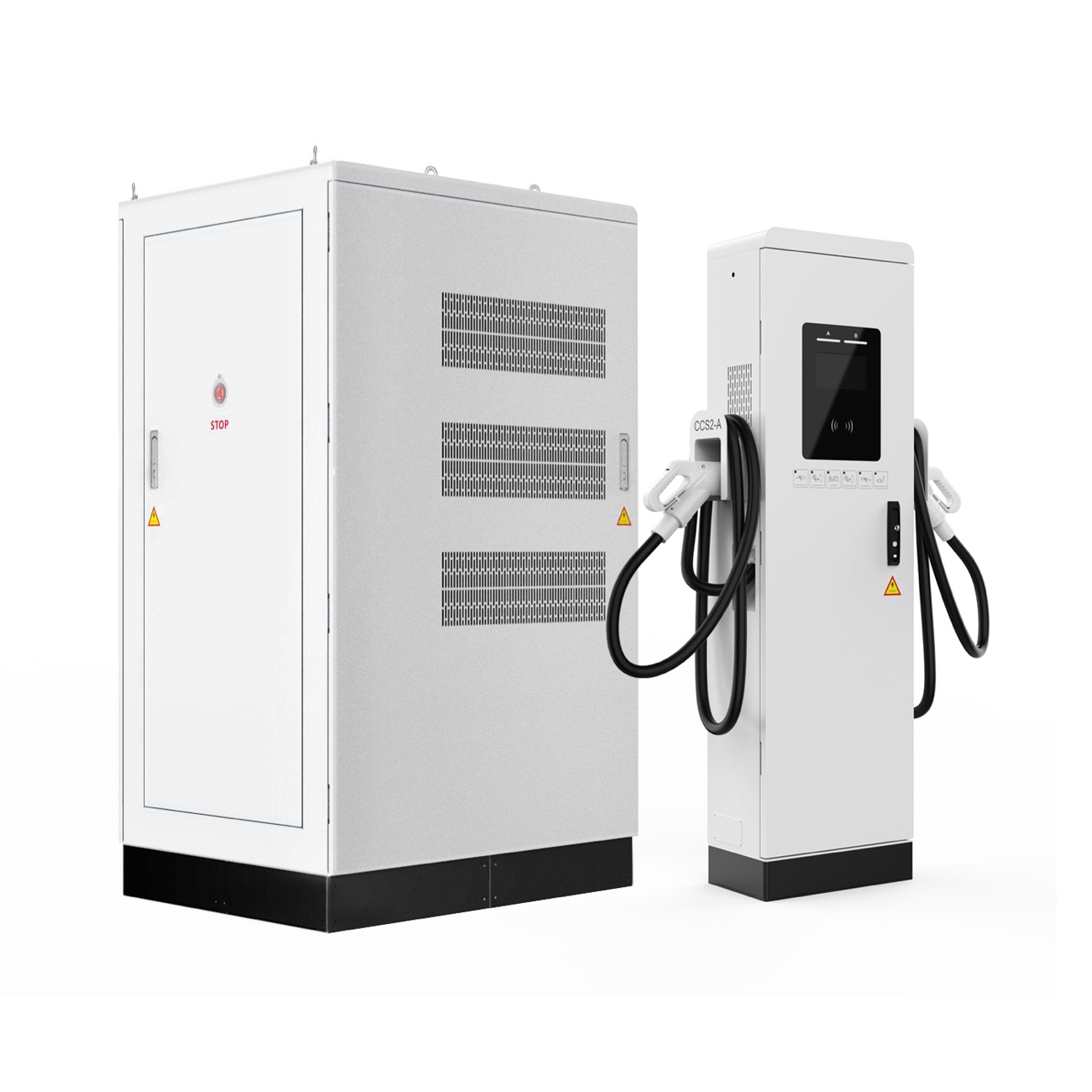
Specify the system around your available supply, vehicle mix and operating plan. Cabinet capacity and terminal output are confirmed for the selected configuration.
Available electrical capacity and connection requirements.
Planned bays and required simultaneous sessions.
Vehicle types, charging windows and connector needs.
Backend, access, metering and payment requirements.
Share your target power and terminal layout. Available scope, expansion limits and custom requirements are subject to engineering review.
A cabinet rating does not guarantee the same output at every dispenser at the same time. Confirm the cabinet, dispenser and connector limits in the approved technical data sheet.
03 / Expansion planning
Define the upgrade path before selecting the initial system. Expansion depends on the cabinet, compatible equipment and site infrastructure.
Provide available site power, daily energy demand, dwell time and required simultaneous charging sessions.
Review cabinet space, cable routes, distribution and future bays with your installation team.
Request the approved module and terminal expansion path, including shutdown requirements and any infrastructure changes.
04 / Project applications
Start with vehicle demand and site constraints to assess whether a split system is suitable.
Review peak demand, bay turnover, simultaneous charging and backend integration requirements.
Share route schedules, vehicle specifications, overnight windows and charging energy requirements.
Define the initial number of bays, future demand and available supply for each development phase.
05 / Technical documentation
Request documents for the selected hub, terminal configuration and target market.
Exact model code, rated output, voltage and current range, compatible terminals and concurrent-output allocation.
Cabinet dimensions, electrical requirements, cable limits, site layout and permitted upgrade path.
Confirm backend compatibility, supported interfaces and certification documents applicable to your configuration.
06 / Questions before selection
A split system separates centralized power conversion from the charging terminals at the parking bays. The Power Hub and compatible terminals form the charging system. The diagram shows this relationship; it is not an installation drawing.
Share your available supply, charging bays, vehicle requirements and operating plan. Request the approved cabinet model, output range and compatible dispensers for your project.
The maximum connected terminals and maximum simultaneous charging sessions must be confirmed for the selected configuration. They must be confirmed separately for the selected hub and terminal configuration. The hub rating does not describe power available to every vehicle simultaneously.
Expansion must be planned around the selected cabinet, supported modules, distribution, cable routes and site supply. Ask for the permitted upgrade path before ordering. A product family range does not establish the upgrade path of an individual cabinet.
Share your required power, terminal layout, connector needs, target market and branding requirements. Available scope, upper power limit, engineering changes and certification impact require a project review.
Ask for the exact model datasheet, terminal compatibility list, simultaneous-output allocation, installation requirements and applicable market documentation. Published downloads will be added when approved files are available.
Contact EV-TOP
Share your target market, site capacity, charging bays and project phases.